EN
EN FR
FR NL
NL SV
SV NO
NO DA
DA FI
FI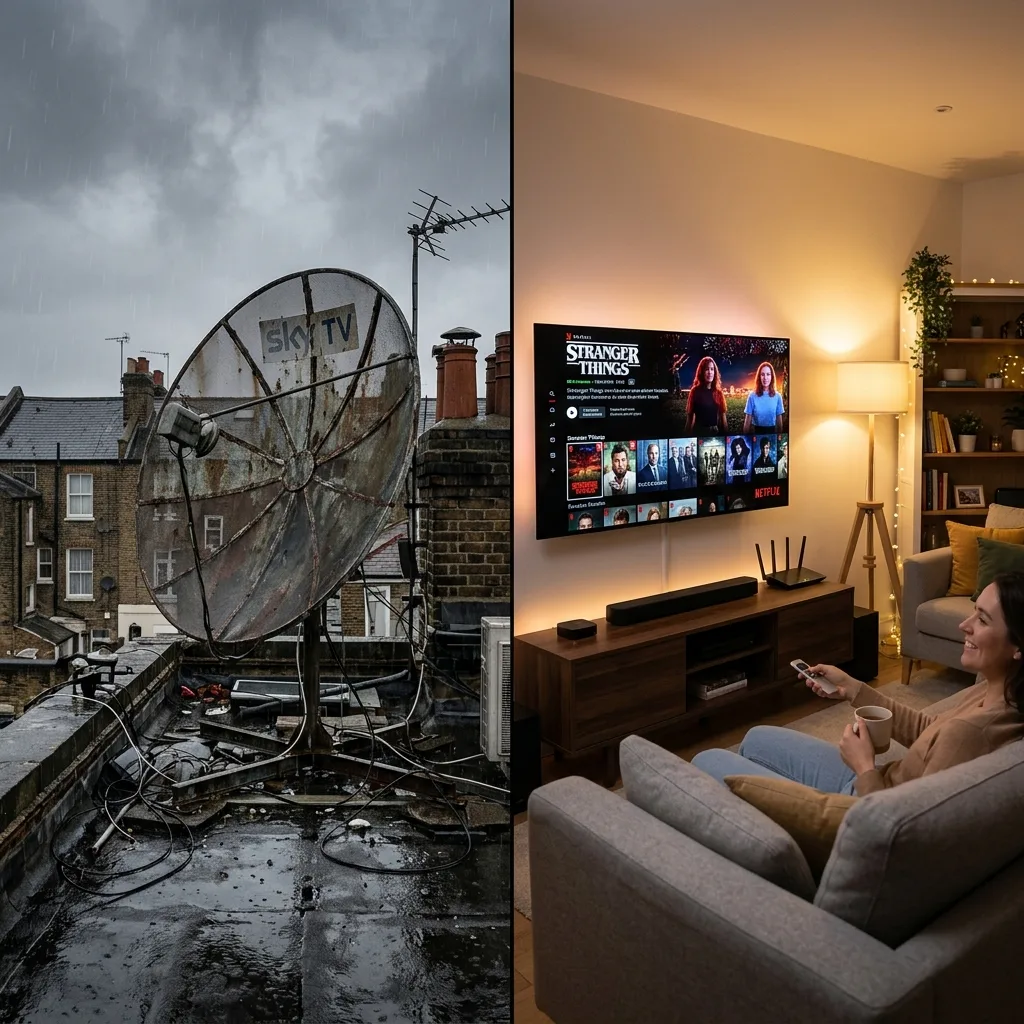
Introduction
Streaming Service vs Satellite TV: Which is Better in 2026? is one of the most searched topics among modern streaming enthusiasts. Whether you are setting up your first streaming service or looking to optimise an existing setup, this comprehensive guide covers everything you need to know.
In this article, we walk through all the key considerations, best practices, and step-by-step instructions to help you get the most from your streaming experience.
Why This Topic Matters for Streaming Viewers
As streaming services become the dominant form of television consumption worldwide, understanding how to navigate the technology — from device selection to quality optimisation — makes the difference between a frustrating experience and seamless entertainment.
FlexiraView subscribers stream across 150+ countries on a diverse range of devices and connection types. The insights in this guide come from real-world experience with tens of thousands of active users.
Key Concepts to Understand
The Foundation of Modern Streaming
Modern streaming services deliver content as data packets over your internet connection. Unlike traditional broadcast television, which requires dedicated infrastructure like a satellite dish or cable line, streaming works with your existing broadband connection — making it immediately accessible on virtually any internet-connected device.
Quality vs Bandwidth Trade-offs
Higher streaming quality requires more bandwidth. Full HD (1080p) streaming typically requires 10-15 Mbps, while 4K Ultra HD requires 25-50 Mbps for smooth, buffer-free playback. Understanding your internet connection's capabilities is essential for optimising your viewing experience.
Device Compatibility
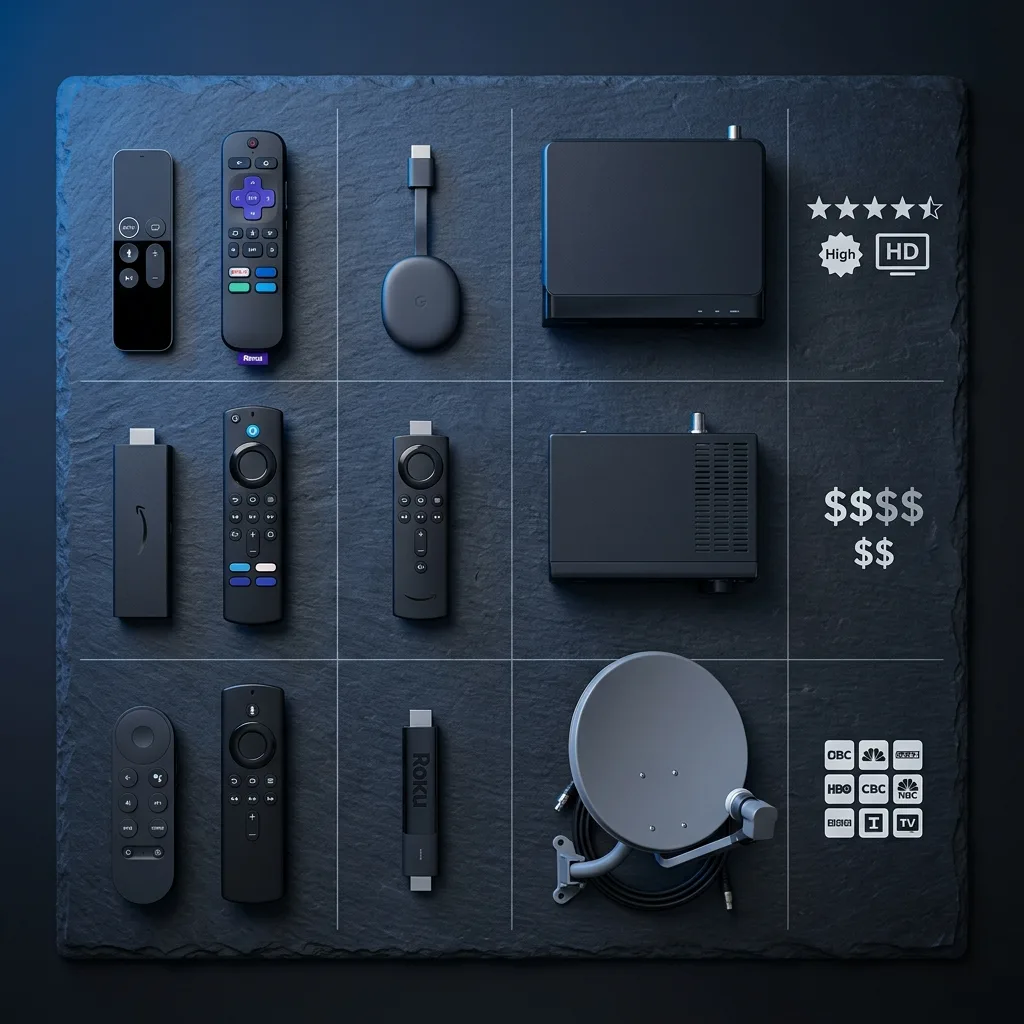
Premium streaming services support a wide range of devices: Smart TVs, Amazon Firestick, Roku, Apple TV, smartphones, tablets, PCs, and dedicated IPTV hardware. Always verify device compatibility before subscribing to ensure you can watch on your preferred screen.
Step-by-Step Guide
Follow these steps for the best results when setting up or optimising your streaming service:
Step 1: Prepare Your Setup
Before anything else, ensure your internet connection meets the requirements for your chosen streaming quality. Test your connection speed using a free online tool and note your download speed. For 4K streaming, aim for 25 Mbps or above on the device you plan to use for streaming.
Step 2: Choose Your Device
Select the device that best fits your viewing habits. Smart TVs offer the most convenient experience for living room viewing. Firesticks and Roku devices transform any HDMI-equipped television into a smart streaming device. Smartphones and tablets are ideal for mobile viewing. PCs offer flexibility with browser-based and application-based playback.
Step 3: Install the Right Application
Download and install a compatible player application for your chosen device. For IPTV services using M3U or Xtream Codes, popular options include IPTV Smarters Pro, TiviMate, GSE Smart IPTV, and Kodi with appropriate add-ons. Each application has strengths depending on your device and preferences.
Step 4: Configure Your Streaming Service
Once your player application is installed, enter your subscription credentials — either an M3U URL or Xtream Codes username/password/server combination. Your channel list will load automatically, and you can begin streaming within minutes.
Step 5: Optimise Your Settings
In your player application settings, configure the video buffer size (higher buffer reduces buffering but introduces more delay), select your preferred video quality, and configure EPG (Electronic Programme Guide) settings if available. Many applications also allow you to organise favourite channels for quick access.
Common Issues and How to Solve Them
Buffering During Playback
Buffering is usually caused by insufficient internet bandwidth or network congestion. Solutions include: connecting via ethernet cable instead of Wi-Fi, reducing simultaneous internet usage on other devices, selecting a lower quality stream temporarily, and contacting your ISP if speeds are consistently below expected levels.
Channels Not Loading
If specific channels fail to load, the issue is usually temporary server maintenance or a network-specific block. Try refreshing the channel list in your player application, switching to an alternative stream link if available, or contacting your streaming provider's support team.
Poor Picture Quality
If the picture quality appears lower than expected, check your player application's quality settings — some default to lower quality to reduce bandwidth consumption. Additionally, ensure your internet connection meets the minimum requirements for your selected quality level.
Best Practices for Long-Term Streaming Quality
To maintain consistently excellent streaming quality over time:
- Use a wired ethernet connection where possible for maximum stability
- Place your router close to your streaming device if using Wi-Fi
- Keep your player application updated to the latest version
- Restart your streaming device monthly to clear cached data
- Contact your streaming provider's support team if you notice a sustained decline in quality
FlexiraView: Designed for Maximum Compatibility and Quality
FlexiraView has been engineered to deliver the highest possible streaming quality across all supported devices and connection types. Our infrastructure uses a global Content Delivery Network to minimise latency and ensure streams are served from the closest possible server to each user. This results in noticeably lower buffering rates and more consistent quality compared to providers using single-region server infrastructure.
Our technical team continuously monitors stream quality and server performance, with proactive maintenance scheduled during off-peak hours to ensure minimal disruption to subscribers.
Frequently Asked Questions
Start Your FlexiraView Journey Today
Join 80,000+ subscribers enjoying 40,000+ channels in 4K. Free 24-hour trial — no credit card required.
▷ Start Free Trial