EN
EN FR
FR NL
NL SV
SV NO
NO DA
DA FI
FI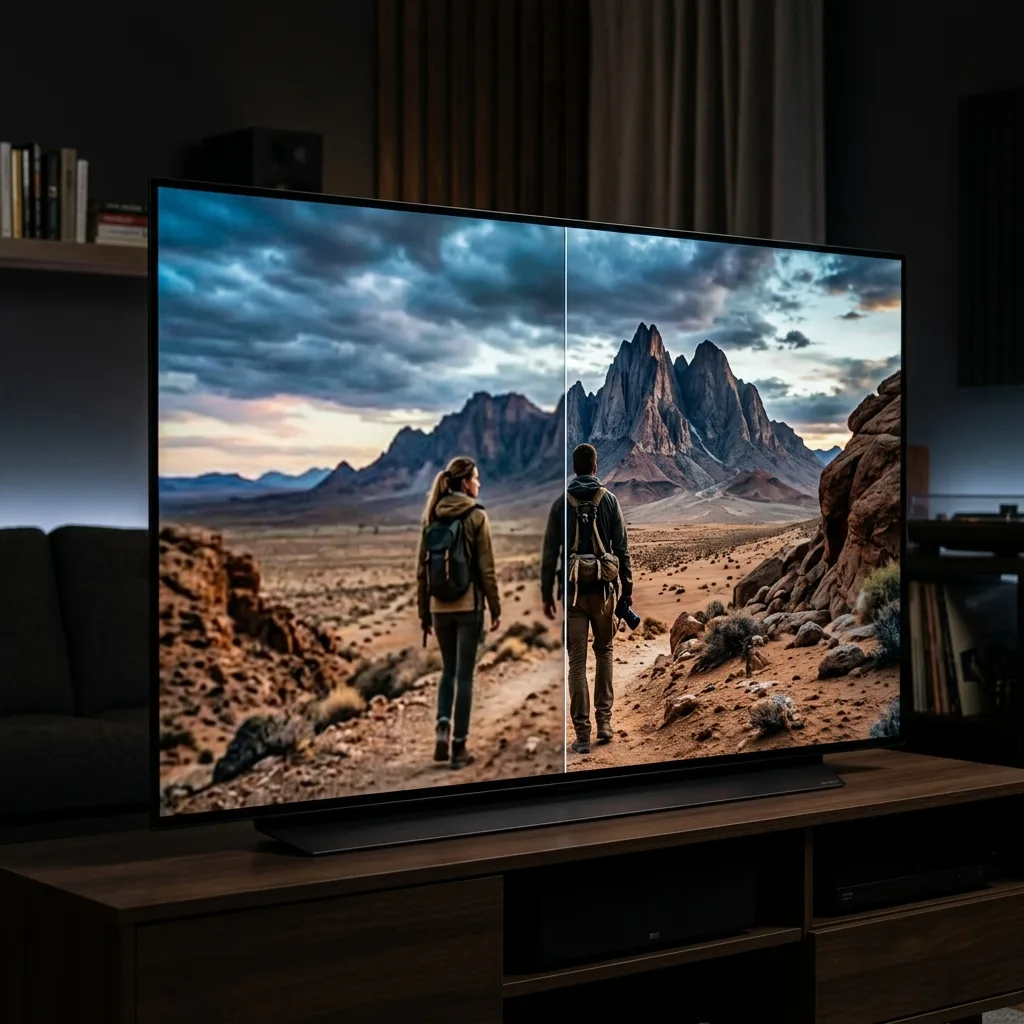
Understanding Video Resolution: The Basics
When streaming services advertise their video quality, they use resolution measurements — specifically, the number of pixels displayed horizontally and vertically on your screen. More pixels means a sharper, more detailed image.
Here is a quick reference:
- HD (720p): 1280 × 720 pixels = ~921,000 pixels total
- Full HD (1080p): 1920 × 1080 pixels = ~2,073,600 pixels total
- 4K Ultra HD (2160p): 3840 × 2160 pixels = ~8,294,400 pixels total
- 8K (4320p): 7680 × 4320 pixels = ~33,177,600 pixels total
HD (720p) — The Minimum Standard
HD at 720p was the dominant streaming resolution through the early 2010s. Today, it is the minimum acceptable quality for streaming services. You will notice a visible difference in sharpness compared to Full HD on screens larger than 32 inches.
When HD is acceptable
HD remains perfectly adequate for small screens — smartphones, tablets, and laptop computers up to 15 inches. On these displays, the difference between 720p and 1080p is barely perceptible.
Internet requirements
HD streaming requires approximately 5 Mbps of sustained bandwidth. Most home broadband connections exceed this comfortably.
Full HD (1080p) — The Current Standard
Full HD at 1920 × 1080 pixels is the current baseline standard for home entertainment. It looks excellent on screens up to 55 inches and represents the sweet spot between quality and data consumption.
When to choose Full HD
Full HD is the right choice if your television is 32-43 inches, your internet connection is between 10-25 Mbps, or you are streaming on a laptop, tablet, or smartphone.
Internet requirements
Full HD streaming typically requires 10-15 Mbps for a smooth experience without buffering.
4K Ultra HD (2160p) — The Premium Experience
Four times the resolution of Full HD, 4K Ultra HD delivers a noticeably sharper, more detailed, and more immersive viewing experience. On a 55-inch or larger screen viewed from normal seating distance, the improvement over 1080p is immediately visible.
4K and HDR: The perfect combination
Most 4K streaming today is paired with HDR (High Dynamic Range), which dramatically improves the contrast between the brightest and darkest parts of an image. Colours appear more vivid and realistic, and details are visible in both bright and shadowed areas simultaneously.
When to choose 4K
Choose 4K if you have a 4K television (43 inches or larger is optimal), a fast internet connection of 25 Mbps or above, and you regularly watch sports, cinema, or nature documentaries — content where the visual detail makes a meaningful difference.
Internet requirements
4K streaming requires a minimum of 25 Mbps for stable playback. For the best experience, especially during high-action live sports, 50 Mbps or above is ideal.
What About 8K?
8K offers four times the resolution of 4K and sixteen times that of Full HD. However, in 2026, 8K content remains extremely limited in the streaming world. Very few films or sports events are produced in native 8K, and consumer 8K televisions are expensive and niche. For most viewers, 8K streaming is a future consideration rather than a present priority.
Resolution vs Bitrate: The Other Quality Factor
Resolution alone does not tell the full story of streaming quality. The bitrate — the amount of data transmitted per second — significantly affects the perceived sharpness and clarity of the image, even at the same resolution.
A 4K stream at low bitrate can look worse than a Full HD stream at high bitrate. Premium streaming services use high bitrates (15-25 Mbps for 4K) to ensure that the full visual benefit of 4K resolution is actually delivered to your screen.
Choosing the Right Quality for Your Setup
Here is a practical guide to choosing the right streaming quality based on your specific situation:
- Smartphone or tablet: Full HD is sufficient. 4K is overkill on small screens.
- Laptop (under 15 inches): Full HD is the ideal choice.
- TV 32-43 inches, standard broadband (10-25 Mbps): Full HD.
- TV 43-65 inches, fast broadband (25-50 Mbps): 4K where available.
- TV 65 inches+, fibre broadband (50+ Mbps): 4K with HDR for the best experience.
Frequently Asked Questions
Experience True 4K Streaming with FlexiraView
FlexiraView streams 40,000+ channels in Full HD and 4K Ultra HD. Start your free 24-hour trial and see the difference yourself.
▷ Start Free Trial